


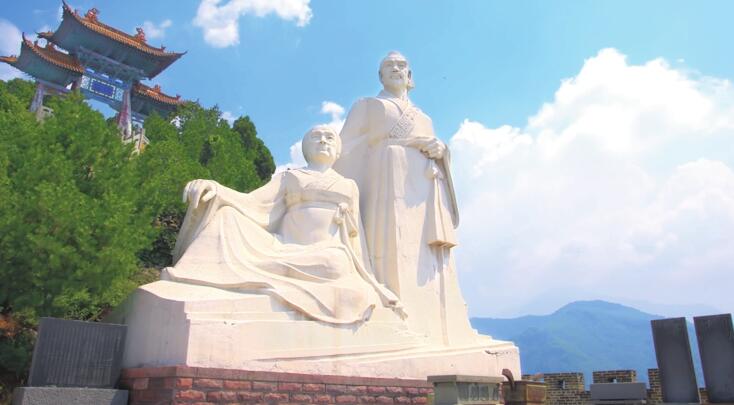
The statues of Jie Zitui and his mother in the Miashan Mountain scenic area. REN JUNBING / FOR CHINA DAILY
The statues of Jie Zitui and his mother in the Mianshan Mountain scenic area.
When Qingming Festival-or Tomb Sweeping Day-is approaching, many people might not know the event is closely associated with another festival called Hanshi, or Cold Food Festival.
Both festivals originated from a tragedy that happened in Shanxi more than 2,500 years ago. At that time, during the Spring and Autumn Period (770-476 BC), the location was called the Jin Principality.
Cold Food Festival is a traditional Chinese holiday celebrated for three consecutive days before Qingming Festival, which falls on April 4 and 5.
Legend has it that Chong'er, a prince of Jin, endured many hardships while he moved around the warring states. Once, when the prince was tormented by hunger, Jie Zitui, one of his supporters, offered him food.
Later, when Chong'er became the duke of Jin, he ordered a search for Jie who had gone into hiding in the remote mountains with his mother. The duke wanted Jie to serve as one of his ministers.
Jie, who preferred to be a hermit in the Mianshan Mountain in today's Jiexiu city of Shanxi, had no political ambitions and refused the duke's invitation. Chong'er ordered the mountain to be burned down to force Jie out of hiding. Unfortunately, Jie did not give in and the fire ended up killing him and his mother.
Filled with remorse, Chong'er ordered that during the three days around this tragic anniversary the setting of fire be forbidden. This meant all food was eaten cold. Therefore the festival is thus named.
The days following Cold Food Festival were dedicated to sweeping the tomb of Jie and later developed into a national holiday called Qingming.
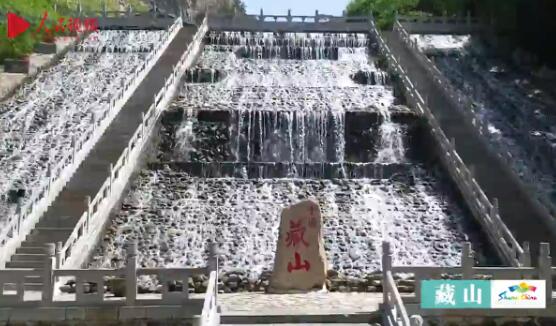
Mianshan Mountain, where the tragedy happened, is now a renowned tourist destination in Shanxi province.
In many areas of Shanxi, locals still remember this tradition. Although cold food is not the only option for people during the celebration, the practices of making typical cold dishes for the event have been preserved.
2020-04-03 YUAN SHENGGAO
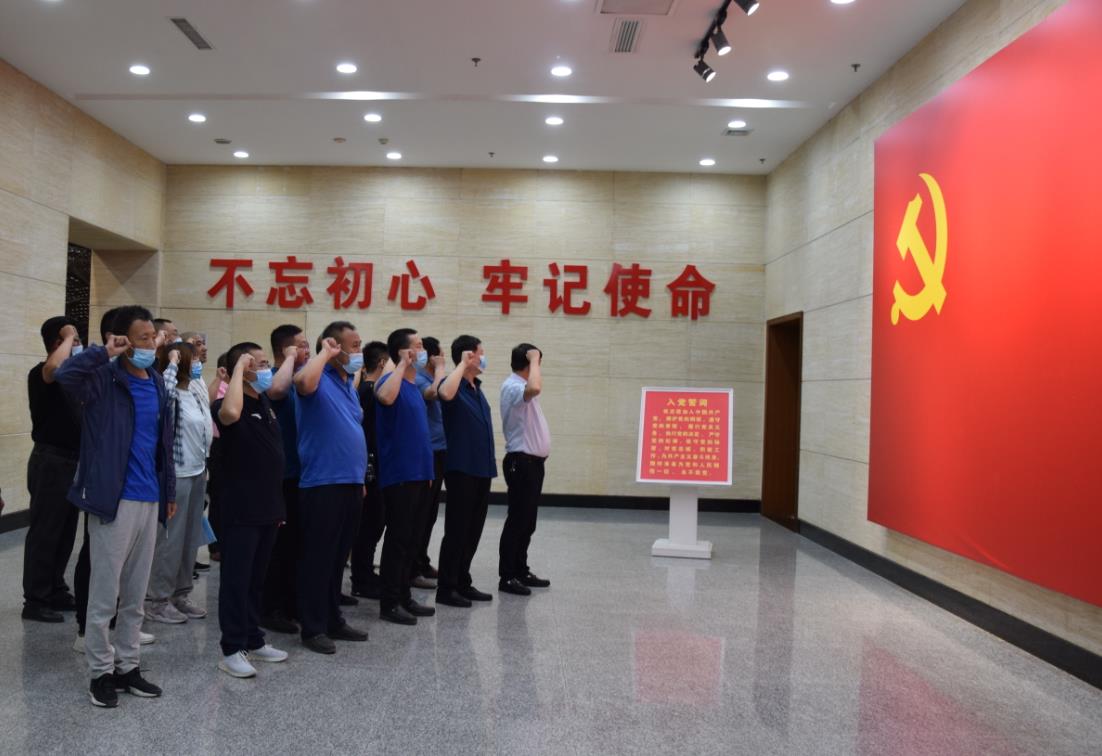 山西路橋:黨建引領 建好“四好農村路”山西路橋建設集團黨委扎實開展“黨建質量提升年”,實施“六大工程”,立足“十四五”高質量、高速度、高效益發展的戰略基點,全面提高黨建質量和黨建引領發展水平,為打造“國內一流的交通基礎設施投資、建設、施工現代化企業集團”提供堅強政治保障。
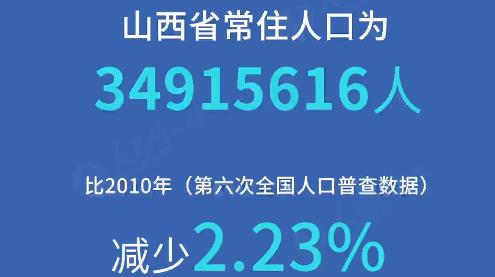 常住人口3491萬 山西人口普查數據"出爐"山西省統計局向社會通報山西省第七次全國人口普查主要數據。數據顯示,山西省常住人口為34915616人,比2010年(第六次全國人口普查數據,下同)減少2.23%,年平均減少0.23%。山西省常住人口總量減少,主要受人口流動變化等因素影響。

 人民日報
人民日報 人民網+
人民網+ 手機人民網
手機人民網 領導留言板
領導留言板 人民視頻
人民視頻 人民智雲
人民智雲 人民智作
人民智作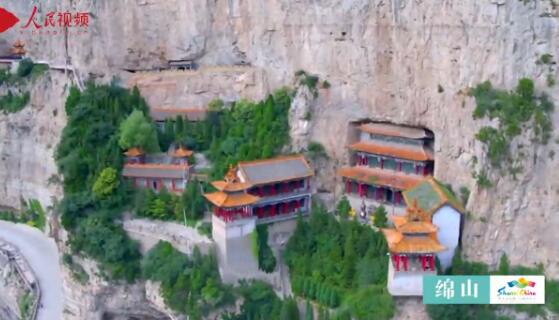
 錦繡綿山
錦繡綿山